What American Chefs Know About Japanese Mayonnaise That You Don’t
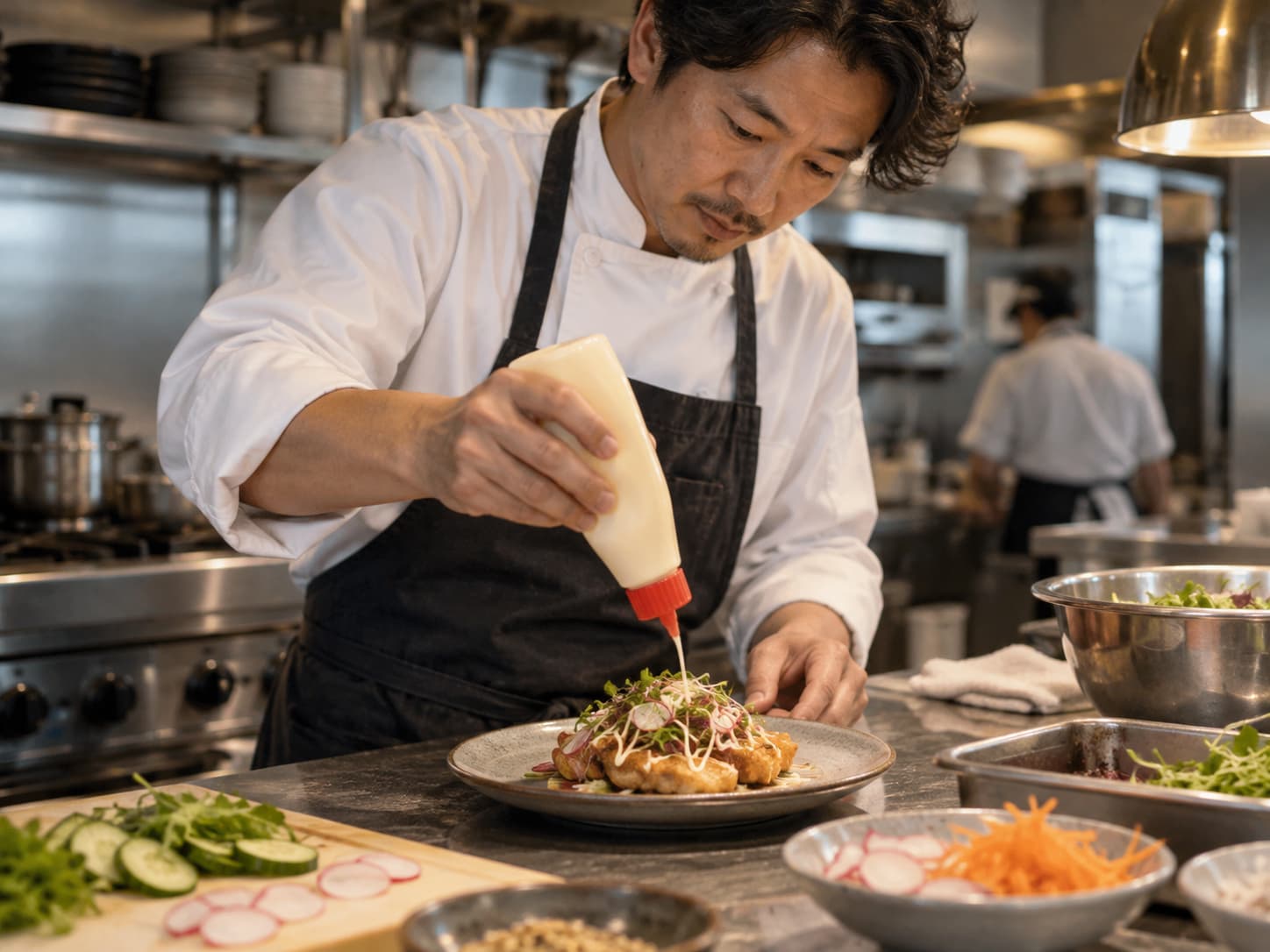
Japanese mayonnaise has quietly become a favorite ingredient in American professional kitchens. Chefs use it in everything from burgers and sandwiches to barbecue sauces, fried chicken marinades, and salad dressings. Kewpie, Japan’s most recognizable mayonnaise brand, has gained particular attention for its rich flavor and remarkably smooth texture. While Japanese consumers have used it as an everyday condiment for generations, American chefs have discovered that it can do much more than enhance a sandwich or potato salad. It can balance acidity, enrich sauces, improve texture, and bring savory depth to familiar dishes. Understanding what makes Japanese mayonnaise different reveals several practical techniques that home cooks can borrow from professional kitchens.
One of the biggest differences between Japanese and conventional American mayonnaise lies in the eggs. Kewpie’s classic Japanese recipe uses egg yolks rather than whole eggs, producing a richer flavor and a distinctive creamy consistency. According to Kewpie, a 450-gram bottle contains approximately 3.6 egg yolks. The company also uses specialized emulsification technology to disperse oil into extremely small droplets, typically measuring around 0.002 to 0.004 millimeters. This contributes to the mayonnaise’s smooth texture and helps it blend evenly with other ingredients. However, egg yolks alone do not determine quality. The balance between oil, vinegar, and seasonings is equally important, which explains why two mayonnaise brands using similar ingredients can taste noticeably different.
Acidity is another important distinction. In 1962, Kewpie established a company dedicated to developing vinegar specifically for mayonnaise production. Its specialized vinegar uses ingredients such as apple juice and malt to create a particular balance of acidity and aroma. This helps explain why Japanese mayonnaise has a flavor that can feel both tangy and rich without becoming overwhelmingly sharp. Umami also contributes to its distinctive taste. Some Kewpie products manufactured for the American market contain monosodium glutamate, commonly known as MSG, although ingredient lists vary between countries and formulations. American chefs appreciate how these characteristics work together. Instead of adding several separate seasonings, they can use a small amount of Japanese mayonnaise to bring richness, acidity, and savory flavor into balance.
Among the chefs who have publicly praised Kewpie is David Chang, the founder of Momofuku. His enthusiasm helped introduce the condiment to a wider American culinary audience. Niki Nakayama, the chef behind the Los Angeles restaurant n/naka, has also been identified as someone who keeps Kewpie in her home refrigerator. For professional cooks, the attraction is not simply that Japanese mayonnaise is an unusual imported product. Its flavor can complement ingredients without requiring an elaborate sauce. A spoonful may add body to a dressing, while a thin layer can help bring together contrasting textures in a sandwich. The important technique is restraint. Chefs do not necessarily use more mayonnaise than home cooks; they pay closer attention to where it belongs and how it affects the finished dish.
Chef Rick Mace of Tropical Smokehouse in Florida offers an interesting example of Japanese mayonnaise crossing culinary boundaries. Inspired partly by his experiences traveling in Japan, Mace has incorporated Kewpie into sauces served with American barbecue. His Caesar-style dressing combines mayonnaise with fish sauce to create additional savory depth, while a white barbecue sauce uses ingredients such as ginger and citrus to balance richness with freshness. These combinations demonstrate that Japanese mayonnaise does not need to be limited to Japanese recipes. At home, a simple sauce made from Kewpie, lemon juice, freshly grated ginger, and a little soy sauce can work well with grilled chicken, roasted vegetables, or fish. The key is adjusting the ingredients gradually so that the mayonnaise supports the main flavors rather than covering them.
Sandwiches provide another opportunity to appreciate the difference. At Open Market LA in Los Angeles, chef Andrew Marco has used Kewpie in sandwiches that highlight the interaction between bread, fillings, and condiments. The Japanese-inspired Philadelphia bar Nunu has also used it in coleslaw accompanying a katsu sandwich. In dishes containing fried meat, fresh vegetables, and bread, mayonnaise helps connect different textures and flavors. However, applying too much can soften the bread and reduce the crispness of the filling. A thin layer spread across one slice produces a different result from mayonnaise mixed directly into shredded cabbage. Professional chefs consider these details because the placement of a condiment can influence the eating experience just as much as its flavor.
Japanese mayonnaise can also serve as an ingredient in marinades and coatings. Its emulsified mixture of oil, egg yolk, and vinegar helps distribute seasonings across the surface of meat or fish. Hawaiian chef Yoshikazu Kizu has been noted for incorporating Kewpie into marinades, demonstrating another application beyond traditional dressings. Home cooks can try combining a small amount of mayonnaise with miso and lemon juice before coating chicken and cooking it thoroughly. The mixture adds flavor and can influence surface browning during cooking. However, mayonnaise does not magically seal moisture inside meat, and it cannot compensate for excessive cooking temperatures. Proper heat control and safe internal temperatures remain essential. Its value lies in creating an even, flavorful coating that complements the natural taste of the ingredient.
Familiar Japanese dishes offer equally useful lessons. Egg sandwiches and potato salad demonstrate how a relatively small amount of rich mayonnaise can create a satisfying texture. For a simple egg filling, two mashed hard-boiled eggs can be mixed with one or two tablespoons of Japanese mayonnaise, followed by a little salt, pepper, or mustard. In potato salad, seasoning warm potatoes with a small amount of vinegar before cooling them and adding mayonnaise helps create a more balanced flavor. These techniques are easy to adapt to American kitchens without requiring specialized equipment. Because Japanese mayonnaise can taste particularly rich, it is better to add it gradually rather than starting with a large quantity. Prepared dishes containing eggs, vegetables, or other perishable ingredients should also be refrigerated appropriately.
Another useful technique involves combining Japanese mayonnaise with ingredients that provide contrasting flavors. Mixing two tablespoons with one teaspoon of miso creates a savory base for roasted vegetables or grilled fish. Adding lemon juice makes the sauce brighter, while mustard or fresh herbs can take it in a more Western direction. These combinations illustrate why chefs value versatile ingredients rather than treating every condiment as a finished sauce. Still, Japanese mayonnaise is not automatically superior in every recipe. Some dishes benefit from a milder or lighter-tasting product, and different Japanese manufacturers offer their own variations in acidity, richness, and seasoning. Choosing the right mayonnaise depends on the flavor and texture the cook wants to achieve.
There is an interesting historical connection behind its popularity in America. Kewpie mayonnaise was introduced in Japan in 1925 after its founder, Toichiro Nakashima, encountered mayonnaise during his travels in the United States. More than a century later, the Japanese interpretation of that condiment has found its way back into American restaurants, where chefs use it to reinvent barbecue sauces, sandwiches, dressings, and marinades. The lesson is not that every refrigerator needs a particular brand, but that even an ordinary condiment deserves thoughtful consideration. Understanding how richness, acidity, umami, and texture work together makes it easier to improve familiar recipes. Sometimes the most useful professional cooking technique involves nothing more complicated than knowing exactly when and how to add a spoonful of mayonnaise.